Plumbing in Aurora & North Aurora, IL
Plumbing problems are among the most disruptive and costly issues a homeowner can encounter. In Aurora and North Aurora, IL, seasonal temperature swings, aging plumbing systems, and local water quality all contribute to a unique set of recurring challenges. With Amazing Air Inc., you get clear insight into the most common plumbing services, how issues are diagnosed and repaired, what timelines you can expect, and practical maintenance tips to help you make confident, informed decisions about protecting your home’s plumbing system.
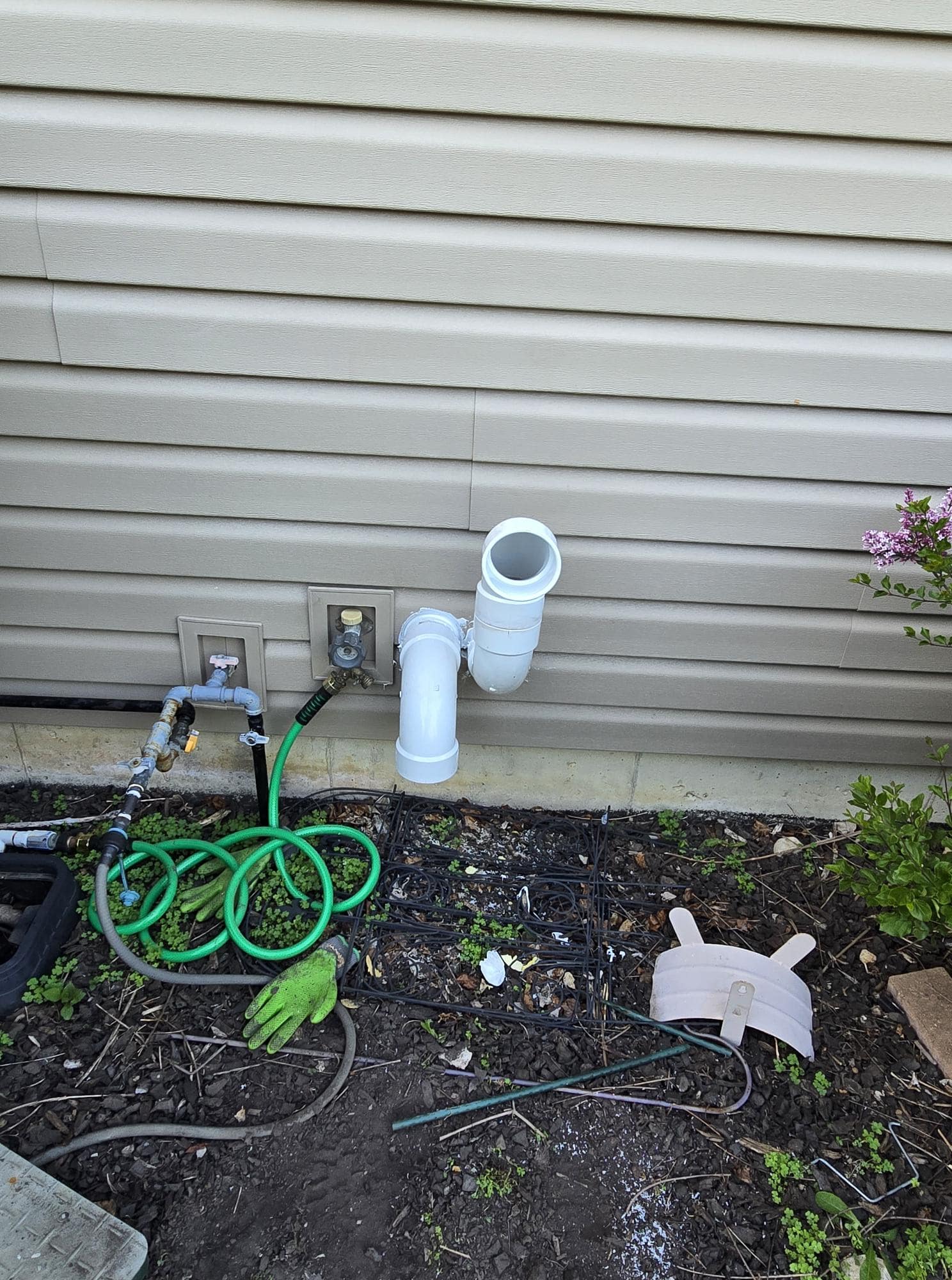
Common residential plumbing services and common plumbing issues in Aurora, IL
Homeowners in Kane and DuPage County most often need these services:
- Leak detection and repair: Hidden slab leaks, pinhole leaks in copper pipes, and faucet or valve leaks. Early detection prevents structural damage and mold growth.
- Pipe and fixture replacement: Corroded galvanized piping, brittle PVC or failing PEX connections, and outdated fixtures such as toilets, sinks, and showers.
- Water heater installation and repair: Tank and tankless water heater servicing, including pilot issues, sediment buildup, thermostat failures, and replacement for failing units.
- Drain cleaning and sewer line service: Clogged kitchen and bathroom drains, slow-draining tubs, and mainline blockages due to roots and buildup.
- Emergency plumbing response: Burst pipes, overflowing toilets, major leaks, and sewer backups that require immediate attention.
- Permit and code compliance for larger jobs: Re-piping, water heater replacement, and major remodels that need local permits and code-certified inspections.
- Routine maintenance and inspections: Annual checks to catch issues early and extend the life of systems.
How residential plumbing problems are diagnosed
Diagnosis starts with a focused visual and functional inspection and progresses to targeted tests:
- Inspect visible piping, fixtures, and appliances for corrosion, moisture, and wear.
- Use pressure tests and isolation methods to locate leaks in walls, basements, and slab foundations.
- Perform drain video inspections for recurring clogs, root intrusion, or collapsed pipes.
- Check water heater combustion, drainage, and heating element performance for tank models; flow rate and onboard diagnostics for tankless systems.
- Evaluate water quality and pressure to identify causes of accelerated pipe wear or mineral buildup.
This stepwise diagnostic approach ensures repairs address root causes rather than temporary symptoms, reducing repeat calls and unexpected costs.
Repair and replacement: what to expect
Repairs are scoped based on diagnosis and prioritized for safety and damage control:
- Minor repairs such as faucet rebuilds, valve replacements, or small section re-piping are usually completed in a single visit.
- Moderate projects like partial re-piping, water heater repair, or sewer line spot repairs typically require a day or two, depending on access and parts.
- Major replacements — whole-home re-pipes, full sewer replacements, or complex remodel plumbing — involve permit pulls, inspections, and a multi-day schedule.
Deliverables typically include a written scope of work, an estimate of time on site, parts and materials used, and post-service testing to confirm the issue is resolved. For larger jobs, expect documented permit filings and final inspection confirmation.
Emergency plumbing response and typical timelines
Aurora area weather extremes make timely emergency response critical:
- Burst pipes and major leaks: Immediate response to shut off the source and make temporary or permanent repairs. Initial containment often occurs on the first visit; permanent fixes follow once parts are sourced if required.
- Sewer backups: Rapid assessment and clearing to prevent health hazards. Video inspection and repair planning can often be completed within 24 to 48 hours.
- No hot water or failing water heater: Diagnostic and repair or replacement same day when parts are in stock; tankless systems may require specialized parts or replacement scheduling.
Reasonable expectations: same-day emergency dispatch or next-day priority for nonlife-threatening issues, with clear communication about arrival windows and upfront timelines.
Permits, code compliance, and larger jobs in Kane and DuPage County
Major plumbing work often requires compliance with local building codes and permits. Repairs and installations are evaluated for:
- Proper venting, trap installation, and fixture spacing per local code.
- Water heater mounting, corrosion control, and seismic or overflow requirements.
- Backflow prevention and cross connection control where required.
- Inspections by municipal authorities for re-pipes, new water service, and complex remodels.
Handling permits and scheduling inspections can add time to projects, but ensures work meets code and protects resale value and insurance coverage.
Pricing, warranties, and what to expect on service visits
Pricing varies with complexity, materials, and access:
- Common cost drivers include the extent of demolition, pipe materials, fixture quality, and whether permits and inspections are required.
- Estimates should be transparent and break down labor, materials, and any third-party fees like permits.
Warranties generally include:
- Manufacturer warranties on equipment such as water heaters and fixtures.
- Labor warranties for workmanship; typical terms vary by provider and job type but should be documented in the service agreement.
- Clarification on what voids warranties, such as improper maintenance or water quality issues.
A standard service visit should include a diagnosis, written findings, recommended options (repair vs replacement), timeline, and post-service testing. For larger projects, expect a written estimate and permit plan before work begins.
Routine maintenance tips to prevent costly repairs
Regular maintenance can extend system life and reduce emergency calls:
- Insulate exposed pipes and maintain proper home temperature during winter to prevent freezing.
- Flush tank water heaters annually to remove sediment that reduces efficiency and shortens life.
- Use drain screens, avoid grease down sinks, and schedule professional drain inspections if drains slow.
- Test shutoff valves periodically and replace any that leak or are stiff.
- Consider a video sewer inspection every few years if your home has mature landscaping with deep-rooted trees.
Customer Testimonials
Exceptional service and professionalism, exceeding expectations every time.
Service Areas