Naperville residents seeking heat pump repair from Amazing Air receive thorough, safety-first service from trained technicians who diagnose issues quickly and explain repair options clearly. We detail common problems, from refrigerant leaks to reversing valve failures, and outline diagnostic steps, expected repairs, and transparent pricing. Emergency response, warranty considerations, and when replacement is wiser are covered to help homeowners make informed decisions. Our goal is reliable heat in winter, efficient cooling in summer, and long-term value through durable, properly executed repairs.

Heat Pump Repair in Naperville, IL
Heat pumps are a smart, efficient choice for Naperville homes, but when they fail the result is immediate discomfort and higher energy bills. Whether your system struggles on a single cold snap or runs poorly through humid summer months, professional heat pump repair in Naperville, IL focuses on fast, accurate diagnosis and durable fixes that restore comfort and protect long-term value. This page explains common heat pump problems in Naperville, how repairs are diagnosed and performed, what typical repairs involve, emergency response expectations, parts and labor considerations, warranty and safety checks, and when replacement is the better choice.
Why timely heat pump repair matters in Naperville
Naperville experiences hot, humid summers and cold winters with frequent freeze-thaw cycles. Those seasonal extremes strain heat pump components: refrigerant lines, reversing valves, compressors, and outdoor fan motors. Delaying repair can lead to frozen coils, burned-out compressors, or refrigerant leaks that reduce system efficiency and spread damage to other components. Prompt, professional repair restores reliable heat in winter, cooling in summer, and reduces energy costs.
Common heat pump issues in Naperville homes
- Reduced heating or cooling capacity — often caused by low refrigerant, dirty coils, or failing compressors.
- Short cycling or frequent on/off cycles — common with faulty controls, refrigerant problems, or incorrect thermostat settings.
- Noisy operation — fan motors, compressors, and reversing valves can create rattles, clanks, or grinding sounds.
- Frozen outdoor coils in winter — usually the result of refrigerant undercharge, poor airflow, or defrost control failures.
- Refrigerant leaks — corrosion from road salt or small punctures in lines can cause slow leaks and efficiency loss.
- Electrical failures or tripped breakers — aging contactors, capacitors, or control boards can fail under heavy use.
- Reversing valve malfunction — causes failure to switch between heating and cooling modes or noisy operation.
- Indoor comfort issues despite running — often tied to ductwork leaks, airflow restrictions, or improper charge.
Diagnosis and troubleshooting process
Professional repair begins with a structured, safety-first approach to quickly identify root causes:
- Visual and audible inspection of indoor and outdoor units for signs of oil, frost, rust, or mechanical damage.
- System checks: verifying thermostat settings, control voltages, and safety interlocks.
- Airflow assessment: filter condition, blower operation, and return/ supply vents.
- Refrigerant and pressure testing using gauges and leak detectors to identify low charge or active leaks.
- Electrical diagnostics: testing capacitors, contactors, relays, and motor current draw.
- Component testing: compressor performance, reversing valve operation, and fan motor function.
- Operational test cycle: running the unit through heating and cooling modes to confirm findings.
This process is designed to minimize guesswork and avoid unnecessary parts replacement. Most diagnoses can be completed on the first visit, allowing technicians to present clear repair options.
Typical repairs we perform (and what they mean)
- Compressor repair or replacement: Fixes loss of cooling/heating power. Compressor failure is a major repair and often dictates replacement decisions for older systems.
- Reversing valve service or replacement: Restores switching between heat and cool modes and eliminates mode-related noise.
- Refrigerant leak detection and repair: Includes locating the leak, repairing lines or components, pressure testing, and recharging with the correct refrigerant. Note that older systems using R-22 may require different handling due to phase-out rules.
- Fan motor and blade repair or replacement: Addresses noisy operation or weak airflow from indoor or outdoor fans.
- Control board and thermostat repair: Fixes erratic cycling, communication errors, or total system non-starts.
- Capacitor and contactor replacement: Common fixes for systems that won't start or exhibit intermittent operation.
- Coil cleaning and defrost control repair: Improves heat transfer and prevents outdoor coil freeze-ups in winter.
Emergency response times in Naperville
Naperville’s cold snaps create demand spikes for heating repairs. Typical response expectations:
- Emergency service (no heat in freezing conditions): response often within 2 to 6 hours depending on workload and weather conditions.
- Priority same-day service for urgent failures impacting health or vulnerable household members.
- Non-emergency repairs: next-business-day or scheduled appointment windows.
These timeframes vary during regional storms or extreme temperatures. Rapid diagnosis and temporary measures (such as reversing to auxiliary heat or isolating a failed circuit) can stabilize your home until permanent repairs are completed.
Parts, labor, and repair transparency
- Parts: Repairs use OEM-equivalent or manufacturer-approved replacement parts. For older equipment where original parts are scarce, compatible modern components are selected to ensure safe, efficient operation.
- Labor: Labor scope is based on diagnostic findings. Common labor tasks include brazing or flaring refrigerant lines, electrical rewiring, component swaps, and system testing. Expect clear communication about labor hours needed to complete repairs.
- Estimates and documentation: Detailed repair summaries include parts replaced, labor performed, refrigerant amounts, and post-repair performance readings to support warranties and future service history.
Pricing specifics vary by system complexity and parts availability. Repairs aim to restore efficient operation and extend the system’s life where cost-effective.
Warranty, safety checks, and compliance
Every repair includes essential safety and compliance steps:
- Electrical safety checks: verifying proper grounding, breaker sizing, and secure wiring connections.
- Refrigerant handling and pressure tests: ensuring no leaks remain and that charges match manufacturer specifications. Documentation of refrigerant used and recovered is provided when applicable.
- Operational safety controls verification: confirming defrost cycles, high/low pressure switches, and limit controls function correctly.
- Warranty guidance: manufacturer warranty coverage for endorsed parts is reviewed and labor warranties for repairs are provided where applicable. Proper paperwork and system serial numbers are recorded to assist warranty claims.
All work follows EPA refrigerant handling rules and local codes for safe, compliant service.
When repair is no longer the best option
Repair is the right call in many scenarios, but replacement should be considered when:
- The heat pump is older than 10 to 15 years and showing multiple failing components.
- The compressor or evaporator coil is severely compromised.
- Multiple repairs have been required in recent seasons and repair costs approach the value of a new system.
- The system uses phased-out refrigerant and a full retrofit would be costly.
- You want significant efficiency gains, quieter operation, or updated features like variable-speed compressors and smart controls.
A professional replacement assessment includes comparing estimated remaining life, seasonal energy savings (SEER/HSPF), and projected operating costs specific to Naperville’s heating and cooling demands.
Simple steps to avoid emergency repairs
- Schedule seasonal tune-ups to catch wear early and maintain efficiency.
- Replace filters regularly and keep outdoor units clear of leaves, snow, and salt buildup.
- Monitor for new noises, odors, or reduced output and address them promptly.
- Keep thermostat setpoints and fan settings appropriate for system design to reduce stress on components.
Prompt, professional heat pump repair in Naperville, IL protects comfort through severe weather, preserves efficiency, and prevents small faults from becoming major failures. When problems arise, clear diagnosis, quality parts, and safety-focused repair practices deliver dependable results that match the needs of Naperville homes.
Customer Testimonials
Exceptional service and professionalism, exceeding expectations every time.
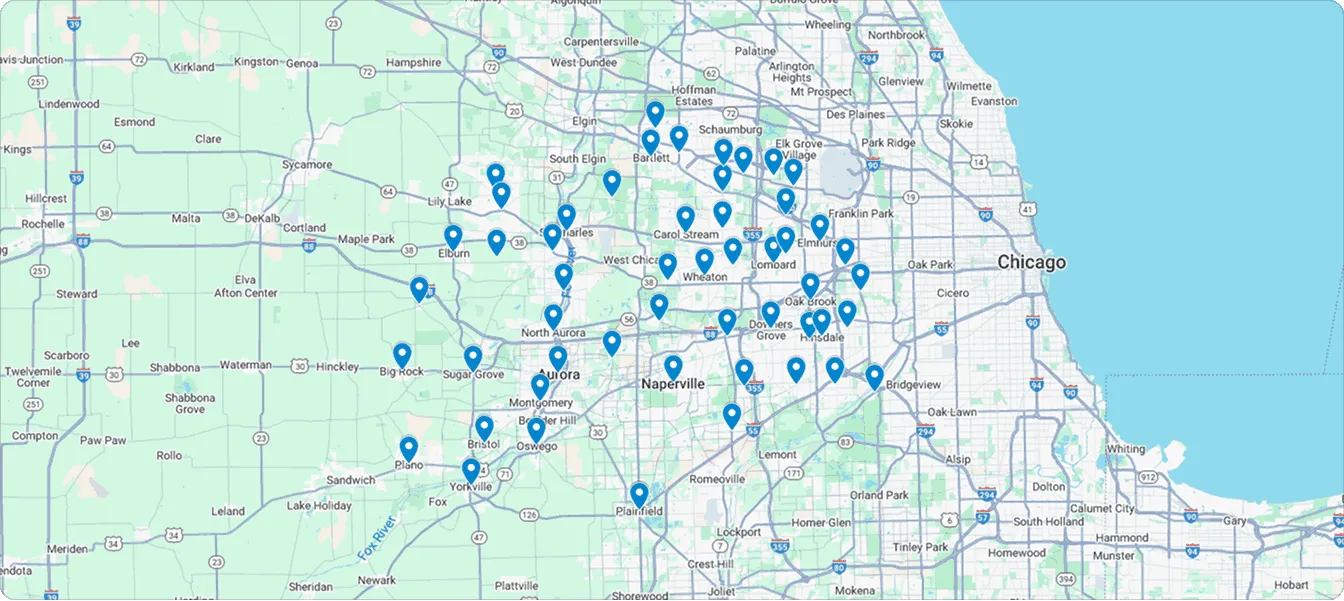
Service Areas